
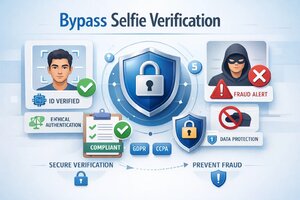
Selfie based verification has become one of the most common identity confirmation tools used by banks, fintech platforms, marketplaces, and online services. In 2026, these systems are more advanced than ever, combining facial recognition, liveness detection, and behavioral signals to protect users and platforms from fraud. Because of this evolution, the phrase How To Bypass Selfie Verification Method 2026 is often searched out of confusion or frustration rather than malicious intent.
This article is written as a compliance focused and educational guide. It does not promote or explain illegal actions. Instead, it clarifies how selfie verification works, why bypassing it is neither legal nor sustainable, and what lawful alternatives exist for users who face verification challenges. Understanding the system is the first step to resolving issues correctly and safely.
What Is Selfie Verification and Why It Exists
Selfie verification is a biometric identity check that compares a live facial image to official identity documents or previously stored records. Platforms use it to confirm that the person accessing an account is the rightful owner. This method helps prevent identity theft, account takeovers, and financial crime.
In 2026, selfie verification is not just a photo comparison. Systems analyze depth, motion, lighting, and micro expressions to confirm liveness. These safeguards are designed to protect users as much as the platforms themselves.
Why People Search for Bypass Methods
Most users searching for bypass related topics are not trying to commit fraud. Common reasons include failed verification attempts, poor camera quality, lighting issues, or mismatched identity details. Others may be traveling, have changed their appearance, or are unfamiliar with the technology.
Understanding these reasons is important. The solution is almost never bypassing the system. The solution is correcting the underlying issue so verification can succeed legitimately.
Legal and Ethical Implications of Bypassing Verification
Attempting to bypass selfie verification violates the terms of service of nearly all platforms. In many jurisdictions, it can also violate identity fraud and computer misuse laws. Consequences may include permanent account bans, financial losses, or legal action.
Ethically, bypassing verification undermines trust in digital systems. These systems exist to protect individuals, businesses, and the broader financial ecosystem. Responsible users should aim to comply rather than circumvent.
How Selfie Verification Technology Has Advanced in 2026
Modern selfie verification tools use artificial intelligence and machine learning models trained on diverse datasets. They can detect spoofing attempts such as static images, videos, masks, or deepfake overlays. Liveness challenges, such as blinking or head movement, further strengthen security.
Because of these advancements, bypass attempts are increasingly ineffective and risky. Platforms continuously update detection models, making shortcuts unreliable and short lived.
Common Reasons Verification Fails
Verification failures often result from simple technical or user related issues. Poor lighting, low resolution cameras, glare on glasses, or inconsistent facial positioning can cause errors. Outdated documents or mismatched personal information also contribute.
Network instability or device limitations may interrupt the process. These failures are not permanent and can usually be resolved with proper guidance.
Lawful Alternatives to Bypassing Verification
Instead of attempting to bypass, users should explore lawful alternatives offered by platforms. Many services provide manual review options, alternative verification methods, or customer support escalation.
Some platforms allow document resubmission, video verification, or in person verification through partners. These options are designed to help legitimate users complete onboarding without compromising security.
Best Practices to Pass Selfie Verification Successfully
Preparing properly can significantly improve verification success rates. Use a well lit environment with a neutral background. Ensure your face is fully visible and matches your official documents. Remove hats, masks, or heavy filters.
Use a modern device with a functioning camera and stable internet connection. Follow on screen instructions carefully and take your time. These steps often resolve issues without further action.
Accessibility and Inclusion Considerations
Platforms are increasingly aware that biometric systems must accommodate diverse users. Some individuals may have medical conditions, disabilities, or cultural considerations that affect verification.
In such cases, contacting platform support is essential. Many providers offer accessibility accommodations or alternative verification routes to ensure fairness and inclusion.
Why Bypass Guides Are Misleading
Online bypass guides often promise guaranteed success but deliver outdated or false information. They rarely account for real time security updates and may expose users to scams or malware.
Following such guides can compromise personal data, devices, and accounts. Trusted platforms do not endorse or tolerate bypass methods.
The Role of Compliance in Digital Identity
Compliance ensures that digital identity systems remain secure and trustworthy. By following verification requirements, users help maintain a safe environment for everyone.
Compliance also protects users legally. Verified accounts are less likely to face sudden restrictions, payment delays, or investigations.
What to Do If Verification Continues to Fail
If repeated attempts fail, stop retrying immediately. Excessive attempts can trigger security flags. Instead, review platform guidance, check document validity, and contact support.
Provide clear explanations and any requested documentation. Patience and transparency often lead to successful resolution.
The Future of Identity Verification
Looking beyond 2026, identity verification will continue evolving. Biometric systems may integrate behavioral biometrics, device trust signals, and decentralized identity frameworks.
These changes aim to balance security with user convenience. Understanding this evolution helps users adapt without resorting to unsafe practices.
Conclusion
Searching for How To Bypass Selfie Verification Method 2026 reflects a desire to overcome obstacles, not necessarily to break rules. However, bypassing is neither legal nor effective in modern systems. The correct path is understanding how verification works, addressing common issues, and using official support channels.
By choosing compliance and transparency, users protect their accounts, data, and reputation. Selfie verification is not an enemy but a safeguard in an increasingly digital world.
FAQs
1. Is it legal to bypass selfie verification
No. Bypassing verification violates platform rules and may break the law.
2. Why does my selfie verification keep failing
Common reasons include poor lighting, camera quality, or mismatched documents.
3. Are there official alternatives to selfie verification
Many platforms offer manual review or alternative methods through support.
4. Can verification issues be fixed permanently
Yes. Once the underlying issue is resolved, verification usually succeeds.
5. Will verification become stricter in the future
Yes. Security measures continue to evolve to protect users and platforms.
