
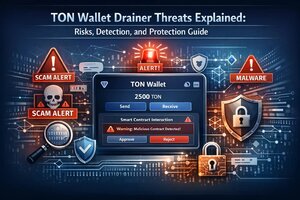
The rapid growth of blockchain ecosystems has created new opportunities for developers, businesses, and everyday users. At the same time, it has also introduced new security challenges that require careful attention. One topic that frequently appears in security discussions is the concept often labeled as a “TON crypto drainer.” To keep this article ethical, lawful, and educational, this guide focuses on security awareness, defensive understanding, and compliance best practices, not on misuse or exploitation.
This blog explains what the term generally refers to in public discussions, why awareness matters in 2024, and how users and developers within the TON ecosystem can protect themselves. The goal is to help readers understand risks, improve wallet security, and stay compliant with platform policies and applicable laws.
Understanding the TON Ecosystem in 2024
The TON blockchain, originally known as The Open Network, has gained renewed interest due to its performance goals and expanding developer community. As adoption grows, security education becomes increasingly important. Wallets, smart contracts, and decentralized applications must be built and used responsibly to protect users and maintain trust.
Security discussions often reference malicious tools to emphasize what not to do and how to defend against threats. Learning these concepts at a high level helps users identify red flags and avoid risky behavior.
What People Mean by the Term “TON Crypto Drainer”
In online discussions, the phrase “TON crypto drainer” is commonly used to describe malicious scripts or software that attempt to trick users into approving unauthorized transactions. These tools are not legitimate and are widely associated with fraud and abuse.
From an educational standpoint, understanding how such threats are described helps users recognize warning signs, such as:
- Unexpected wallet connection requests
- Requests for excessive permissions
- Unclear or misleading transaction prompts
Awareness is the first step toward prevention.
Why Security Awareness Matters for TON Wallet Users
Wallets are the gateway to digital assets. A single mistake can result in irreversible losses. For users interacting with TON wallets, understanding common attack narratives helps reduce risk.
Security awareness supports:
- Informed decision making
- Safer interaction with decentralized apps
- Better protection of private keys and approvals
This knowledge empowers users to say no when something feels wrong.
Ethical Context and Legal Boundaries
It is important to clearly state that creating, distributing, or using tools designed to drain wallets without consent is illegal and unethical. Such actions violate platform rules, local laws, and basic principles of digital trust.
This article does not provide instructions, technical code, or operational details. Instead, it promotes responsible learning and compliance.
Common Social Engineering Patterns to Watch For
Many wallet related incidents rely on social engineering rather than technical exploits. Attackers often use urgency, rewards, or fear to pressure users.
Typical patterns include:
- Promises of free tokens or airdrops
- Fake support messages
- Impersonation of known projects
- Requests to sign transactions without clear explanations
Recognizing these patterns helps users stay safe.
How TON Wallet Approvals Work
Wallet approvals are a core part of blockchain interactions. When users sign a transaction, they are authorizing an action on the blockchain.
Understanding approval mechanics helps users:
- Read transaction details carefully
- Identify suspicious contract requests
- Avoid granting unlimited permissions
Education around approvals is a key defense against misuse.
Role of Developers in Preventing Abuse
Developers building on TON have a responsibility to follow secure coding practices and transparent design principles. Clear user interfaces, readable transaction prompts, and minimal permission requests reduce the risk of user error.
Responsible development strengthens the entire ecosystem and builds long term credibility.
Wallet Security Best Practices
For everyday users, strong habits make a major difference:
- Use official wallet software only
- Keep private keys offline and confidential
- Enable additional security features where available
- Avoid connecting wallets to unknown websites
Consistency in these practices reduces exposure to threats.
Importance of Official Documentation and Updates
The TON ecosystem evolves continuously. Following official documentation, updates, and security advisories ensures users stay informed about new risks and protections.
Outdated software and unverified tools increase vulnerability.
Education Versus Exploitation
There is a clear line between learning about threats and participating in them. Educational content focuses on defense, awareness, and prevention. Exploit focused content promotes harm and legal consequences.
Choosing education supports sustainable blockchain growth.
Community Responsibility in 2024
Communities play a vital role in reporting scams, sharing warnings, and helping newcomers. Open discussion about risks, without glorifying malicious tools, strengthens resilience.
Healthy communities prioritize safety over hype.
Compliance and Platform Policies
Most reputable platforms enforce strict policies against malicious activity. Violations can result in account bans, legal action, and reputational damage.
Understanding and respecting these policies protects both users and developers.
Why Awareness Content Is Still Valuable
Even without technical details, awareness content helps users recognize danger early. Knowing that certain terms are associated with scams allows users to pause and verify before acting.
This pause often prevents irreversible mistakes.
Future of TON Security
As the TON ecosystem matures, security tools, audits, and education will continue to improve. Multi layer defenses and clearer wallet interfaces are expected to reduce user risk over time.
User education remains a cornerstone of this progress.
Conclusion
Discussions around topics like TON Crypto Drainer Source Code Support All TON Wallet 2024 Updated Script For Drain TON should always be approached with caution and responsibility. While such phrases appear online, they are most useful when framed as warnings, not instructions.
By focusing on security awareness, ethical behavior, and compliance, users and developers can protect themselves and contribute to a safer TON ecosystem. Education, vigilance, and respect for the law are the true tools for success in blockchain.
FAQs
1. What does the term TON crypto drainer usually refer to
It generally refers to malicious tools discussed online that attempt to steal funds through deception. These are illegal and unethical.
2. Is it legal to use or create wallet draining tools
No. Such actions violate laws and platform rules in most jurisdictions.
3. How can I protect my TON wallet
Use official wallets, verify websites, read transaction prompts carefully, and never share private keys.
4. Why is awareness content important
Awareness helps users recognize scams early and avoid irreversible losses.
5. Where should I learn about TON security
Follow official TON documentation, trusted security blogs, and community advisories.
