
Searches for phrases like ULTIMATE KYC EBOOK | KYC BYPASS | DARK WEB LEAKED | 2000$ METHOD | PRIVATE METHOD often come from curiosity, confusion, or frustration with modern identity checks rather than intent to commit wrongdoing. In 2026, Know Your Customer compliance has become a foundational requirement for banks, fintech platforms, exchanges, and marketplaces. These systems exist to protect users, reduce fraud, and meet regulatory obligations across jurisdictions.
This article is written as a professional, compliance focused, and educational blog. It does not promote or explain illegal actions. Instead, it clarifies what KYC ebooks and similar claims usually represent, why bypass narratives are misleading or dangerous, and what lawful paths exist for users who struggle with verification. Understanding the reality behind these terms helps readers make informed, safe decisions.
Understanding KYC and Why It Matters
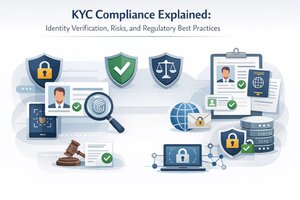
Know Your Customer, commonly referred to as KYC, is a regulatory framework that requires organizations to verify the identity of their users. It is enforced by financial regulators to prevent money laundering, fraud, terrorism financing, and identity theft. KYC processes typically involve document verification, biometric checks, and risk assessments.
In 2026, KYC is no longer a simple formality. Advanced analytics, machine learning, and cross platform data checks make verification more accurate and more secure. While this can feel intrusive, it significantly reduces harm to legitimate users and institutions.
What Is Commonly Marketed as a KYC Ebook
The term KYC ebook is often used to describe guides that claim to reveal insider knowledge about identity verification systems. These materials are frequently marketed with sensational language such as private method, leaked data, or guaranteed success. In reality, such claims are usually exaggerated or entirely false.
Most of these ebooks recycle publicly available information, outdated screenshots, or speculative theories. Some are designed purely as marketing tools, while others attempt to lure users into unsafe or illegal activities that carry serious consequences.
Why Bypass Claims Are Misleading
Bypass narratives suggest that identity verification systems have simple loopholes. This is not accurate in 2026. Modern KYC platforms use layered security, real time monitoring, and continuous updates. Even if a temporary weakness existed, it would be patched quickly.
Promoters of bypass methods rarely mention the risks. These include permanent account bans, frozen funds, data theft, malware exposure, and legal consequences. Users are often left worse off than before.
Legal and Ethical Risks of KYC Circumvention
Attempting to bypass KYC violates platform terms and often local or international law. Financial crimes related to identity misuse are taken seriously by regulators and law enforcement. Penalties may include fines, criminal charges, or long term restrictions on financial access.
From an ethical standpoint, bypassing KYC undermines trust in digital systems. These checks protect not only companies but also users from impersonation and fraud. Responsible participation strengthens the ecosystem.
The Reality of Dark Web Claims
References to dark web leaks are commonly used as fear based marketing tactics. While data breaches do occur, reputable platforms respond with security upgrades, user notifications, and regulatory reporting. Accessing or using leaked data is illegal and dangerous.
Claims that leaked data can reliably defeat KYC are misleading. Verification systems cross check multiple data points, making single source leaks ineffective.
Why Verification Fails for Legitimate Users
Most KYC issues arise from technical or administrative problems rather than user intent. Poor image quality, expired documents, mismatched personal information, or connectivity issues can cause failures. Changes in appearance or address can also trigger reviews.
These problems are solvable through legitimate channels. Understanding this helps users avoid unnecessary stress and risky shortcuts.
Lawful Alternatives to Bypass Attempts
Platforms typically offer several compliant options for users facing verification challenges. Manual review, document resubmission, alternative biometric checks, or customer support escalation are common solutions.
Some services allow video calls with verification agents or integration with trusted identity providers. These options exist specifically to help legitimate users succeed.
Best Practices for Successful KYC Completion
Preparation makes a significant difference. Use valid, unexpired documents and ensure personal details match exactly. Capture images in good lighting with a neutral background. Follow instructions carefully and avoid rushing the process.
If verification fails, pause and review feedback rather than retrying repeatedly. Excessive attempts can trigger automated security flags.
The Role of Compliance in Digital Finance
Compliance is not just a regulatory burden. It enables trust, scalability, and innovation in digital finance. Verified users gain access to higher limits, faster transactions, and broader services.
By complying with KYC requirements, users protect themselves from sudden restrictions and maintain long term account stability.
Educational Value Versus Harmful Content
Not all educational material about KYC is harmful. Legitimate resources explain regulations, user rights, and verification processes without promoting circumvention. The problem arises when content frames compliance as an obstacle to defeat rather than a system to understand.
Evaluating sources critically is essential. Professional, transparent content focuses on lawful outcomes and user protection.
How Platforms Detect and Prevent Abuse
Modern KYC systems use behavior analysis, device fingerprinting, and ongoing monitoring. Verification is not a one time event but a continuous risk assessment. Attempts to game the system often leave detectable patterns.
This is why bypass methods are unreliable and short lived. Compliance remains the only sustainable path.
Future of KYC and Identity Verification
Looking ahead, identity verification will become more user centric. Decentralized identity, reusable credentials, and privacy preserving technologies aim to reduce friction while maintaining security.
Understanding this evolution helps users adapt and engage confidently without resorting to unsafe practices.
Conclusion
The phrase ULTIMATE KYC EBOOK | KYC BYPASS | DARK WEB LEAKED | 2000$ METHOD | PRIVATE METHOD reflects widespread misunderstanding rather than a viable solution. In 2026, bypassing KYC is neither safe nor effective. The real value lies in understanding how verification works, why it exists, and how to complete it lawfully.
By choosing compliance and informed action, users protect their finances, identities, and future access to digital services. Education should empower safe participation, not encourage risk.
FAQs
1. Are KYC bypass methods legal
No. Circumventing KYC violates platform rules and may break the law.
2. Do KYC ebooks provide real solutions
Most recycle public information or make unrealistic claims without guarantees.
3. Why does my verification keep failing
Common reasons include document issues, image quality, or mismatched information.
4. What should I do if I cannot pass KYC
Contact platform support and request manual review or alternative verification.
5. Will KYC requirements become stricter
Yes. Security and regulatory expectations continue to increase globally.
